Showing posts with label Greenfinch. Show all posts

Thursday, 11 January 2018

Greenfinch revival?

 The garden was busy with feeding birds today.The female Blackcap put in another appearance and Blackbird numbers were still quite high. We are still missing the hoped for for visits from Bramblings and Siskins and one of the erupting Hawfinches would be a great treat.

 The number of Greenfinches visiting gardens has been greatly reduced in the last few years. This is due to the disease trichomonosis. The birds become sluggish and unable to swallow food. There seems to be a small recovery, at least in my garden with several spick and span birds around each day. 

 The number of House Sparrows suffered a huge reduction, particularly in large urban areas and 10 years ago we hardly had any around in the garden, but hey are now doing rather better. 

Goldfinches numbers seem to be going from strength to strength.

 When I first put up the mesh feeder it attracted very little attention but now it is one of the first to be emptied and often is crowded with several species.

Goldfinch

  A strange winter, very little really cold weather and Hebe in flower during January seems rather odd.

Goldfinch and Greenfinch on the mesh feeder.

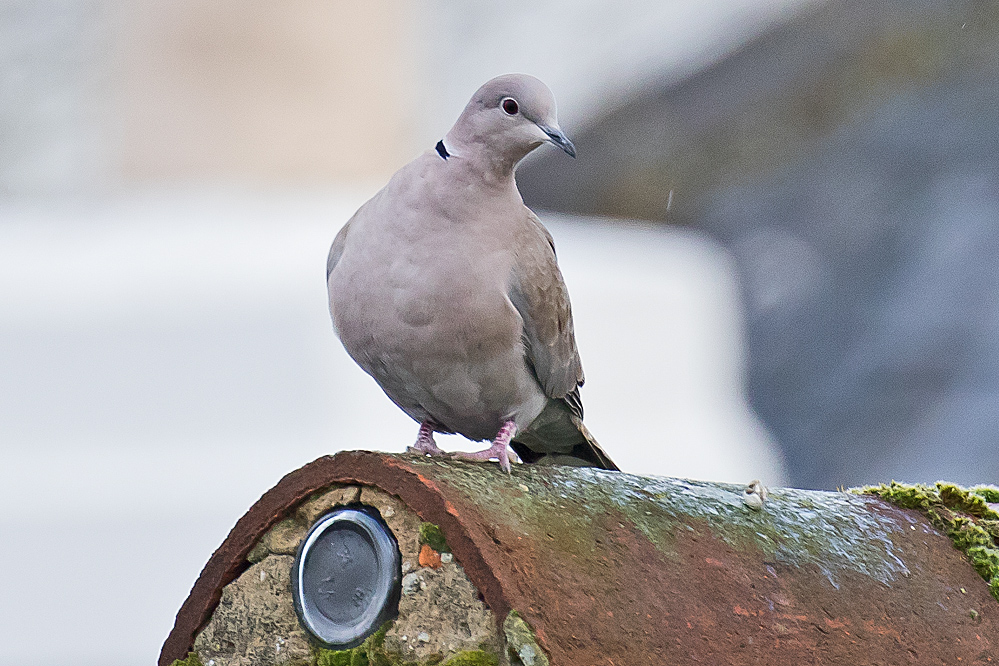
 Collared Dove


Friday, 12 February 2016

Changes in the garden

I noticed some change in the guard in the garden today. Fine and a lot colder than of late there was a lot of activity in the feeding stations.

There are always a fair number of Blackbirds around the garden, but they tend to be protective of their individual feeding areas and repeated drive interlopers away.  Today there were five on the patio feeding area busily picking up the spillage from above with little interaction between them In total there were at least ten around. 

Like many people I've noticed the number of Greenfinches in the garden has been very low. This has been the situation for a couple of years, probably due to Trichomonosis a disease caused by the protozoan parasite Trichomonas gallinae. It has been recorded in a number of garden bird species and is widely acknowledged to be the causal factor in the rapid decline of the British Greenfinch population that was first noted in late summer 2006 

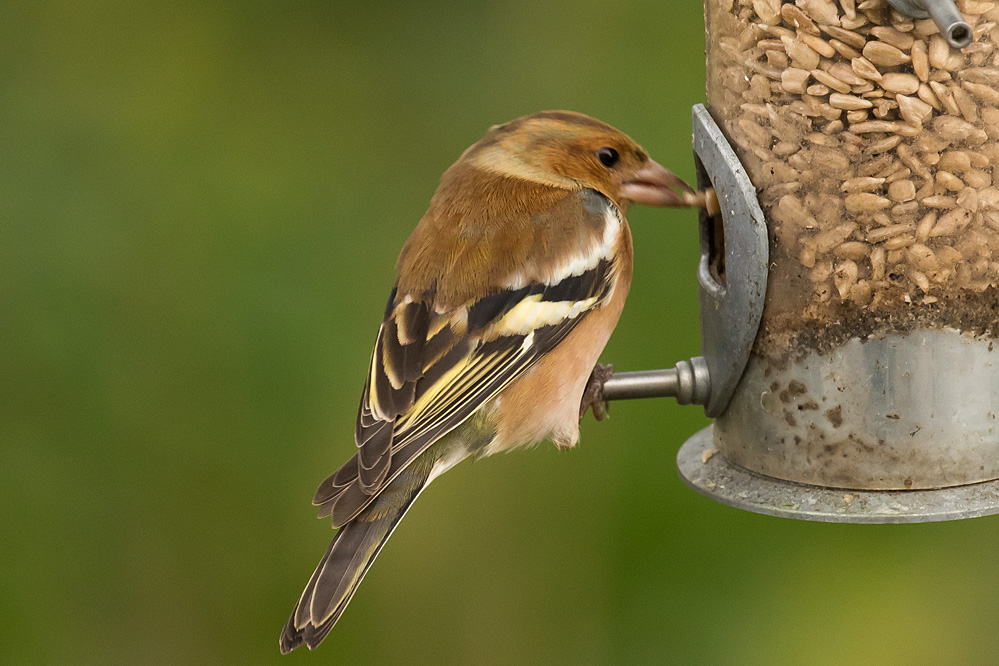
Today there was small influx of around six birds, all looking very fit and healthy. Sick birds are normally very fluffed up and slow moving unlike the sleek bird above, that does looked startled at having to share his feeder with a chaffinch.  

Down in the Bay the sea was quite calm, but the tides high. These are good conditions to watch Rock Pipits that move into the Bay when the areas below the beach are covered.

Above I noticed two Kestrels cruising along the top of the cliffs. Their numbers do seem a bit down as other predators have increased in the county.

I'm not quite sure what this one is doing, but it seems to be scanning the area, either for prey or for any danger around.

Our magnificent car park is now perfect habitat for pipits and wagtails, that all seem to enjoy rough ground with puddles in it.

Altogether there were three Rock Pipits and one Pied wagtail making use the shambles that out council taxes financed

Coming back for a trip to Folkestone I stopped to scan a field with around 40 Common Gulls. There were a few Black-headed Gulls with them, (One above).

Towards the back of the field I noticed an adult Mediterranean Gull, still in complete winter plumage.

When it flew it had a ring on its right leg, but it was to far to be able to read any information.

Tuesday, 15 December 2015

Garden Shoot

Lots of birds around inthe garden today,but very little light, so I decided to muck around and see how usable images taken at ISO3200 would be.

After a few years when the number of Collared Doves visiting the garden had dropped to just the odd one or two they are now back to bigger groups.


The Wood Pigeon is one of the most successful birds in the country, making full use of the vegetables grown year round and the amount of garden feeding stations available.


Not doing so well for the last few of years are Greenfinches. Trichomonosis is a disease caused by the protozoan parasite Trichomonas gallinae. It has been recorded in a number of garden bird species and is widely acknowledged to be the causal factor in the rapid decline of the British Greenfinch population that was first noted in late summer 2006 

This particular bird did feed for a long time, but it was very fluffed up and not very active. I can't say that it was sick but I was somewhat worried by it 's very static visit.

The flock of Goldfinches were as usual noisy, quarrelsome and very active, flying off, every now and again, returning after a few minutes.

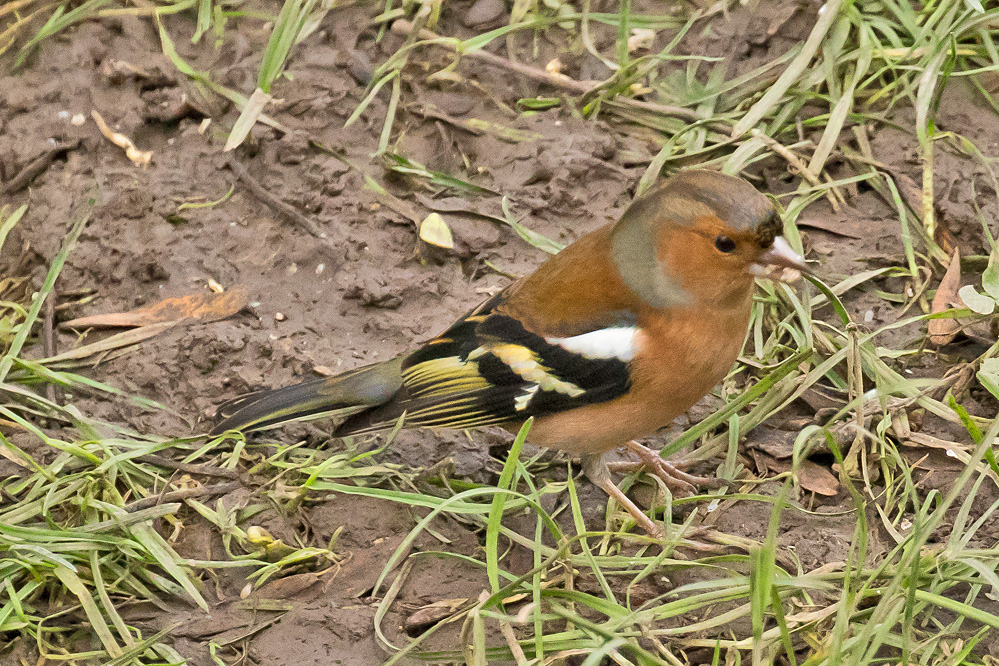
Every now and again there would be a Chaffinch on one of the feeders, but usually they were on the ground, doing the tidying up job for the Goldfinches.

At this time of year the number of Blackbirds increases, possibly including some continental migrants. The bird above is probably home grown, the males of the continental birds tend to be browner and have dull bills, 

One of the Chaffinches feeing under the feeders.

Goldfinches have no problems landing on the feeders and manoeuvring from one feeder to the next.

With Chaffinches, they normally fly at the feeders, but fail to land. I'm not sure how often they manage to take a seed, 

Here are five of the ten Collared Doves feeding in the garden. They may be a common bird, but I still remember when they firs reached the UK, having spread right across Europe in the first half of the 20th Century. Not a sign of global warming, but a sign of agricultural change. 

Saturday, 20 September 2014

Garden feeding

Very foggy this morning, but a lot of activity at the feeding station. Long tailed Tits never stay for long, the just seem to pop in for a while and then continue on their circuits.

There were four feeding on peanuts this morning. So far I haven's seen then on the seed feeders at all.

There are many scruffy looking individuals around, so it's nice to see a sharply dressed Great Tit.

At the moment the number of Goldfinches is starting to rise. Last year by late Autumn they were into the hundreds, and my feeders were emptying at a prodigious rate.It's still early so it could happen again this year.

Many of the Goldfinches are looking tatty, they seem to be in active moult , so I guess they need to feed well to nourish their newly growing feathers.

As well as food water is very important, especially at a time when we have scarcely seen any rain for weeks.
Chaffinch numbers are good, they are mostly pretty plain looking at the moment, the spring plumage comes not from a moult but from abrading the softer ends of the feathers they obtained at the end of the summer to reveal their brighter colours.

Their are also loads of very young looking Greenfinches around, they normally have two broods and occasionally three, but looking at the statistics less than 40% of nests actually reach the stage of fledged young due to predation.

Watching this bird bath from my study window can be entertaining, with several species their at the same time. House Sparrows like to get in and have a real splash about.

Spillage from the feeders above provides good foraging for birds feeding on the ground.

Monday, 2 June 2014

Bath Time

The drinking and bathing pool in our little waterfall down to the pond is well sheltered and shaded and ideal for the birds to bathe or drink safely. however it is very poorly lit and I have no position I can get to so that the sun is behind me, nevertheless it makes fascinating watch for the comfort of the lounge through the open doors. Here are a few of the birds I watched during an hour or so today.

Male Blackcap

Goldfinches

Great Tit

young Greenfinch

young House Sparrow

Starling

female Blackcap

Blue Tit

Chiffchaff and Dunnock, note the Chiffchaff is ringed.

female Blackbird

Male Blackcap, returned or another one.

Dunnock

female Chaffinch

male Chaffinch